The Maison / Our perspective
Stone,
in motion.
Born in Provence, Maison Strata draws on the light of the South and the presence of stone to imagine objects to carry. PORTALE is the first expression of that idea.
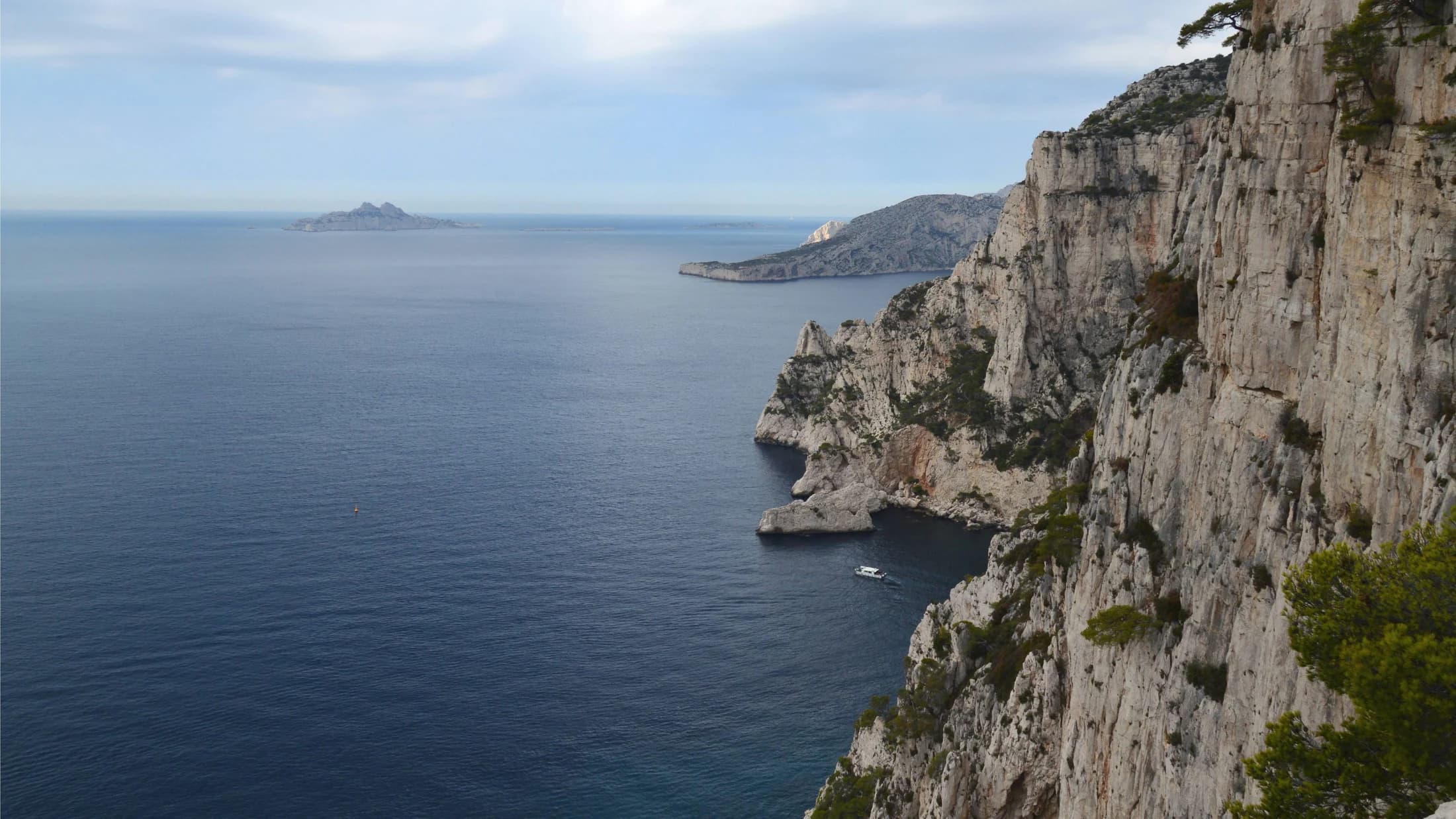
Inspiration journal — Calanques, Marseille
From landscape to line.
A pebble, an opening, a curve the hand recognises.
On paper, we explore the balance between the volume of the shell and the line of the handle. The drawing takes shape, down to the way leather meets the shell.
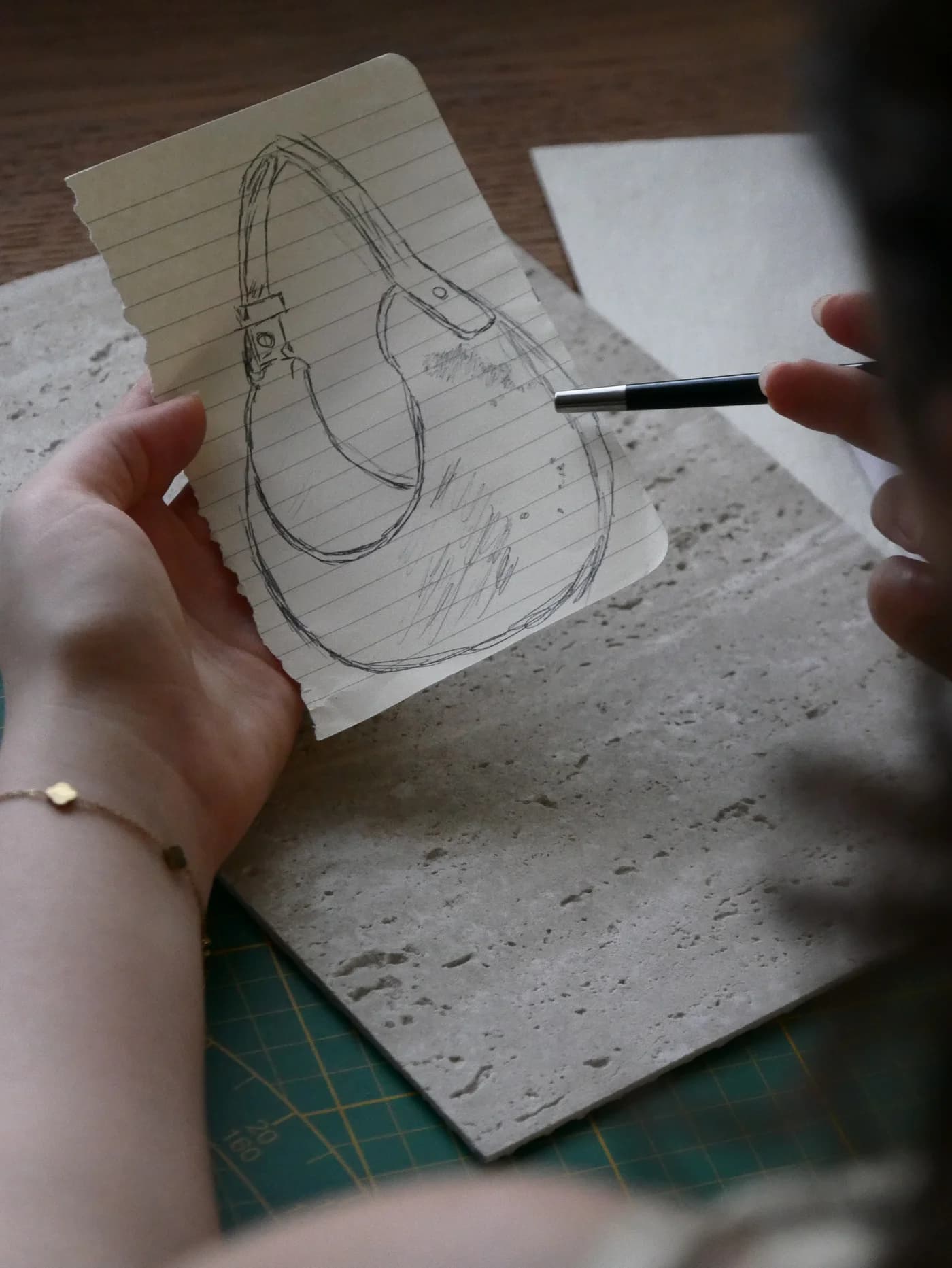
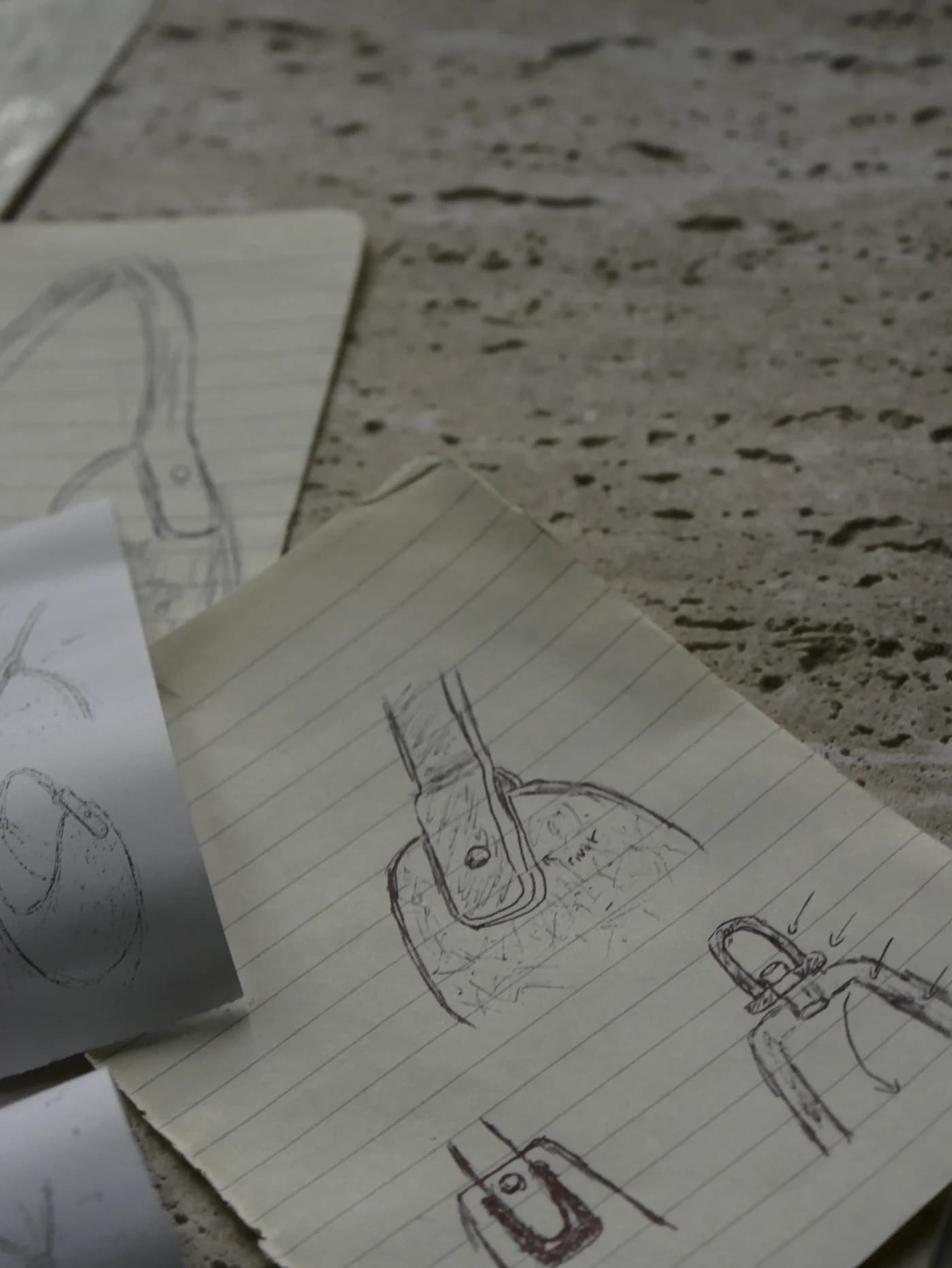
Form study / 01—03
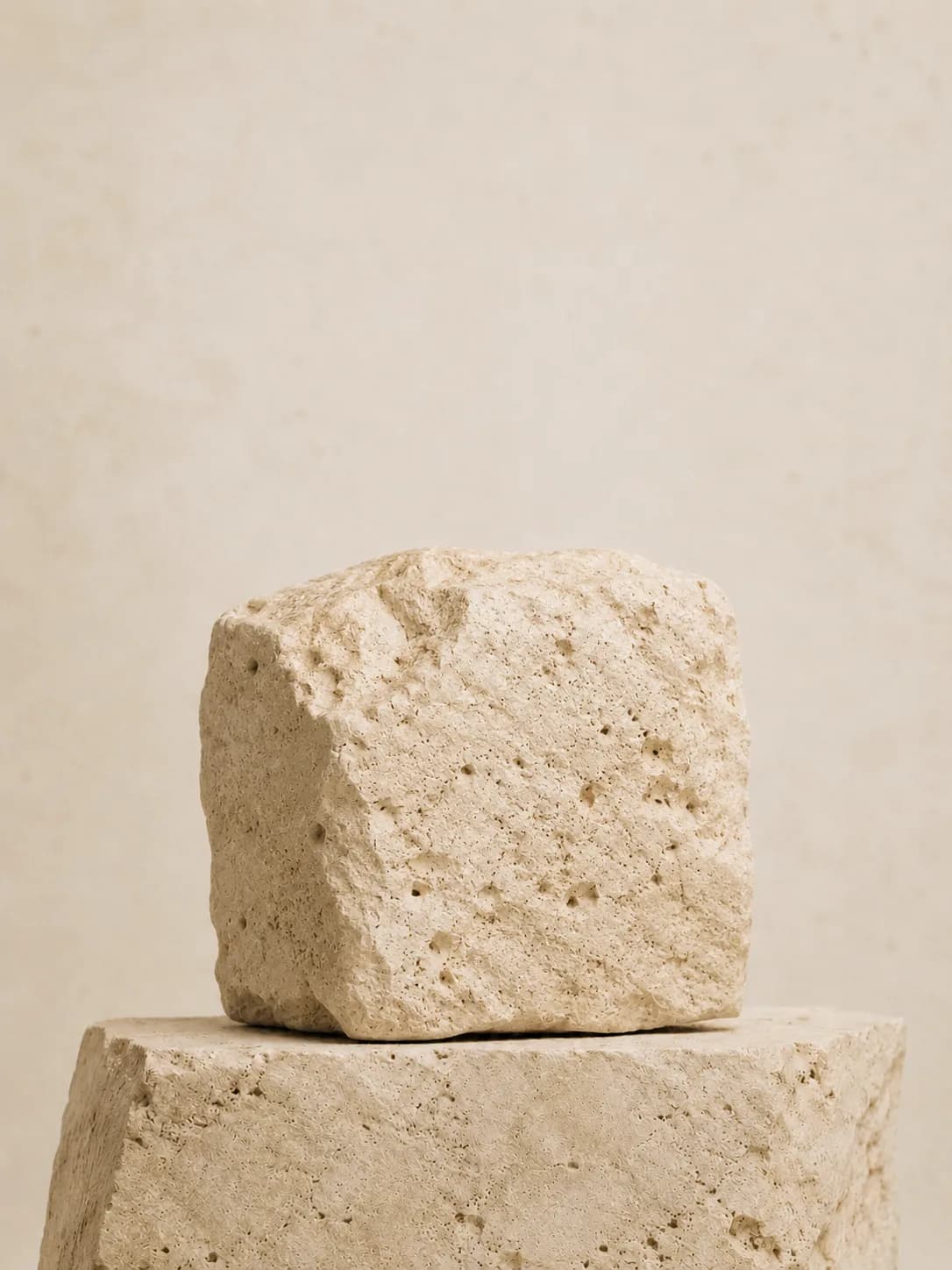
From block
to pebble.
A solid mass, an opening, a softening curve. This sculptural study tells the story of the idea behind PORTALE.
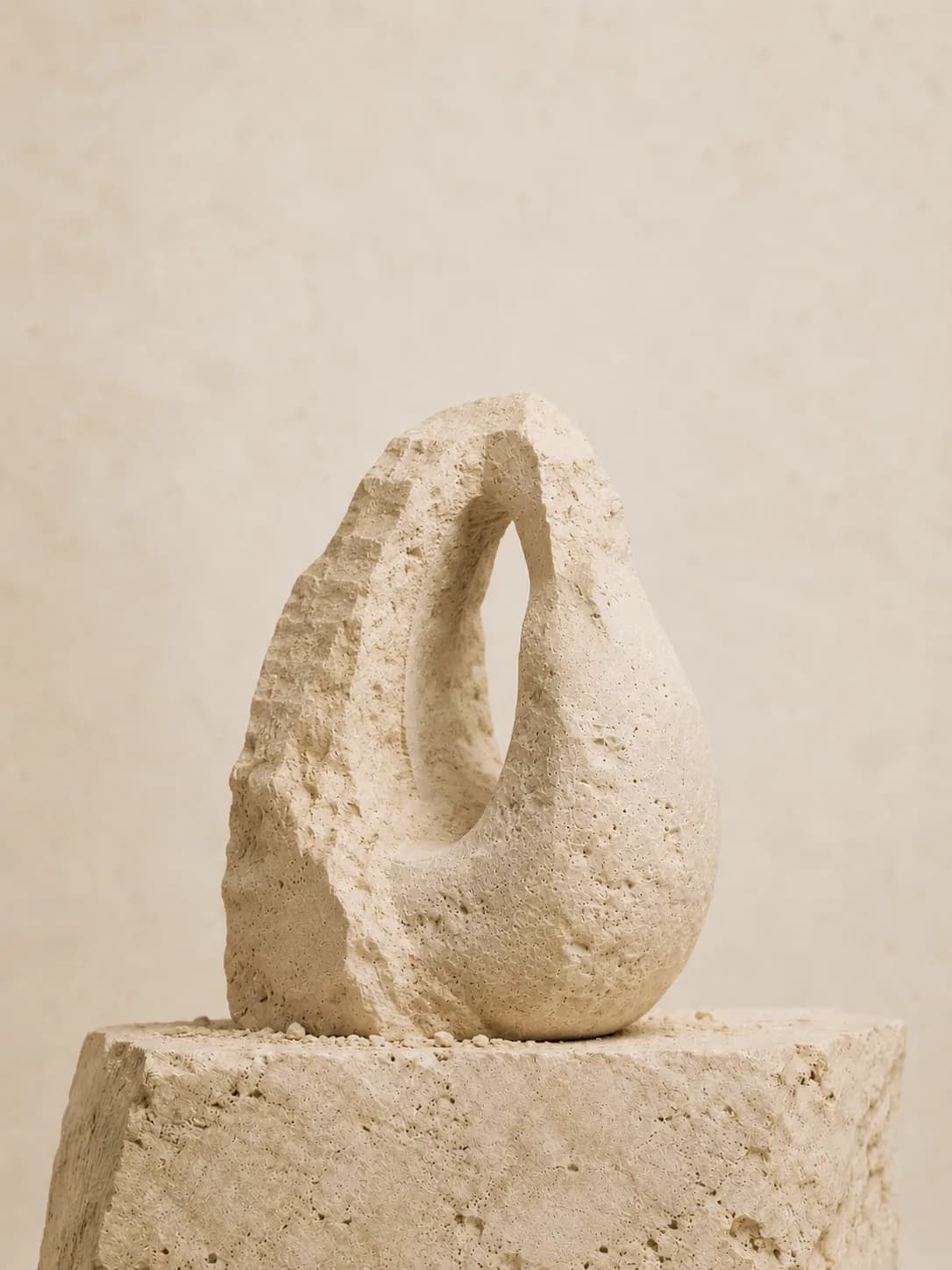
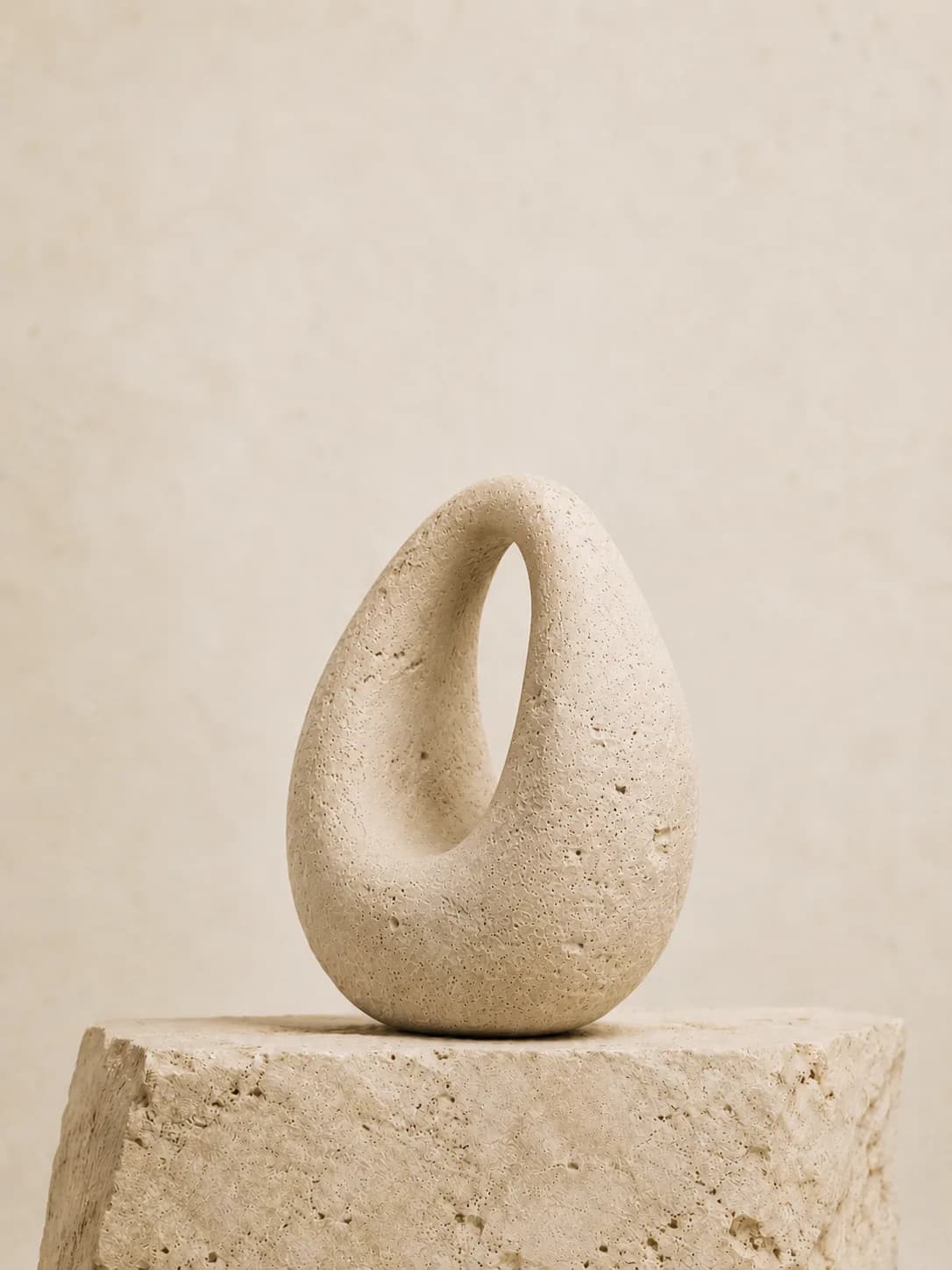

The film / MAISON STRATA
The Codex.
An inspiration film: architecture, strata and light shape the Maison’s visual world.
Three materials, one presence.
A mineral-look shell, taupe leather, a touch of brass. Contrast is part of the design: the softness of leather extends the line of the shell, while light catches the metal.
With Strate 01, PORTALE opens an edition of one hundred numbered pieces. Alongside them, No. 00 follows its own path: it will be entrusted through a draw.
Discover PORTALEBehind the Maison.
Emir
Founder & Artistic Director
Roger
Maître d'Atelier — Savoir-Faire & Production
Elodie
Director of Maison Image & Private Clients
Maxime
Director of External Relations
Conversation is part of the piece.
Write to the Maison